- Loading...
- Loading...



The Silent Emergency of Climate Migration
Climate migration isn’t a distant scenario; it’s already here. Families are leaving coastal villages swallowed by seawater, farmers are abandoning drought-ridden lands, and urban residents are escaping cities choked by floods.
Unlike traditional migration, which often stems from war or poverty, climate migration is driven by environmental collapse. It’s the slow, creeping disaster many governments don’t want to face.
The UN estimates that by 2050, over 200 million people could be displaced by climate-related disasters. Yet, the world is still dangerously unprepared.
Rising Seas: A Global Threat
The most visible driver of climate migration is rising sea levels. Melting glaciers and warming oceans are pushing coastlines inward at alarming rates.
Areas Most at Risk:
Entire cultures, histories, and nations risk being erased.
Beyond the Shore: Droughts, Floods, and Fires
Climate migration isn’t just about sinking islands—it’s about unlivable lands everywhere.
Climate change doesn’t just flood homes—it erodes livelihoods.
The Human Toll: Stories Behind the Numbers
Statistics can’t capture the trauma of climate migration. Behind every number is a family forced to uproot their lives.
Migration is not just a logistical crisis—it’s a human tragedy.
Why We’re Not Ready
Despite warnings, global systems remain unprepared for climate migration.
Without preparation, climate migration risks becoming one of the greatest humanitarian crises of the century.
Climate Migration in South Asia: A Case Study
South Asia is a ground zero for climate migration.
The region illustrates how climate migration is both a rural and urban crisis.
The Economic Dimension
Climate migration isn’t just humanitarian—it’s economic.
Climate migration could reshape global economics in ways policymakers aren’t ready to face.
Cultural Loss: When Homes Disappear Forever
Migration doesn’t just mean losing land—it means losing culture.
For many, leaving home means losing not just a place, but a way of life.
Youth on the Frontlines
Young people are emerging as both the most affected and the most active voices.
For Gen Z and Millennials in vulnerable regions, climate migration isn’t abstract—it’s personal.
What Needs to Be Done
To prepare for the inevitable, action must be taken now:
1. Recognize Climate Migrants
Update refugee definitions to include those displaced by climate disasters.
2. Strengthen Urban Planning
Cities must expand housing, jobs, and infrastructure for incoming migrants.
3. Invest in Adaptation
Flood defenses, drought-resistant crops, and renewable energy can reduce forced migration.
4. Global Funding
Wealthy nations must fund relocation and resilience in vulnerable countries.
5. Community-Led Solutions
Empower affected communities to shape their migration strategies with dignity.
Without these measures, climate migration will spiral into chaos.
Is Migration Always Negative?
While tragic, some see climate migration as an opportunity.
Handled well, migration could spark cooperation instead of conflict.
Conclusion
Rising seas and sinking futures are not distant warnings—they are today’s reality. Climate migration is already reshaping societies, economies, and cultures.
The real question is not if migration will happen, but how we choose to respond. Will we let millions suffer in silence, or will we act with foresight and compassion?
The clock is ticking—and the tide is rising.

In today’s world of endless choices and digital noise, marketing is no longer just about promoting products — it’s about creating meaningful connections. Successful brands focus on building relationships rather than chasing transactions. Marketing that connects transforms audiences into loyal communities by earning their trust, understanding their needs, and delivering genuine value. When businesses prioritize people over promotions, marketing becomes more than strategy — it becomes a relationship built to last.
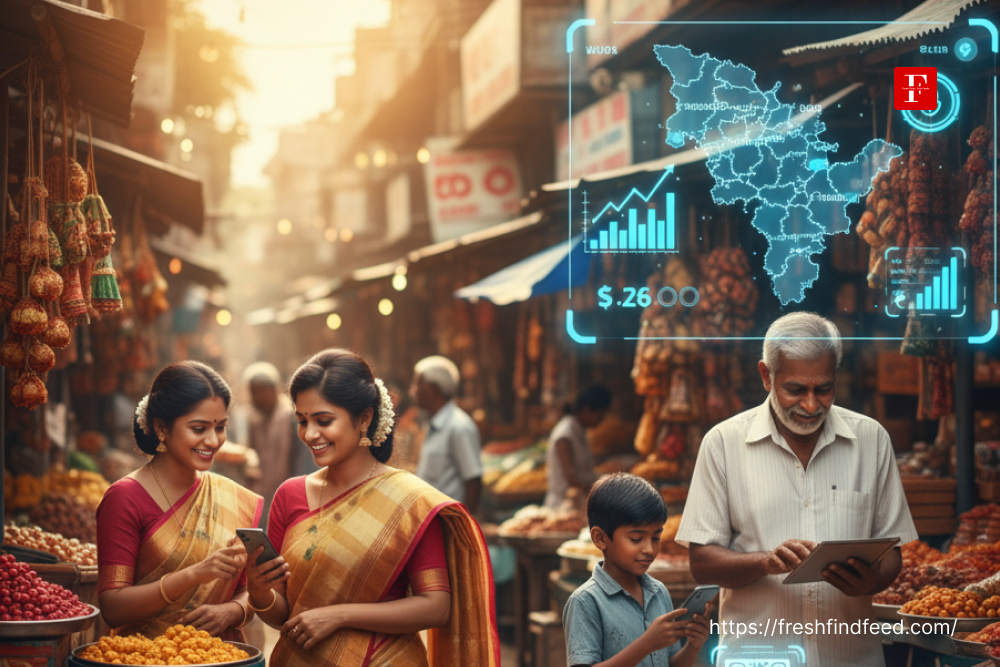
Odisha’s small businesses are entering a new era — where mobile apps, online payments, and e-commerce aren’t luxuries, but lifelines for growth and survival.

As India enters the second phase of its digital revolution, artificial intelligence and automation are not just transforming industries—they’re redefining what it means to work, earn, and adapt.

The conference brought together officials from ten central districts, including district collectors, tehsildars, registrars, and welfare officers, either virtually or in person.

We glorified sleepless nights, burnout, and exhaustion as signs of ambition. But when did working yourself to the edge become the definition of success?

Not everyone who thrives in tech writes code. Some design the very experiences that make technology human.









Leave Comments