- Loading...
- Loading...



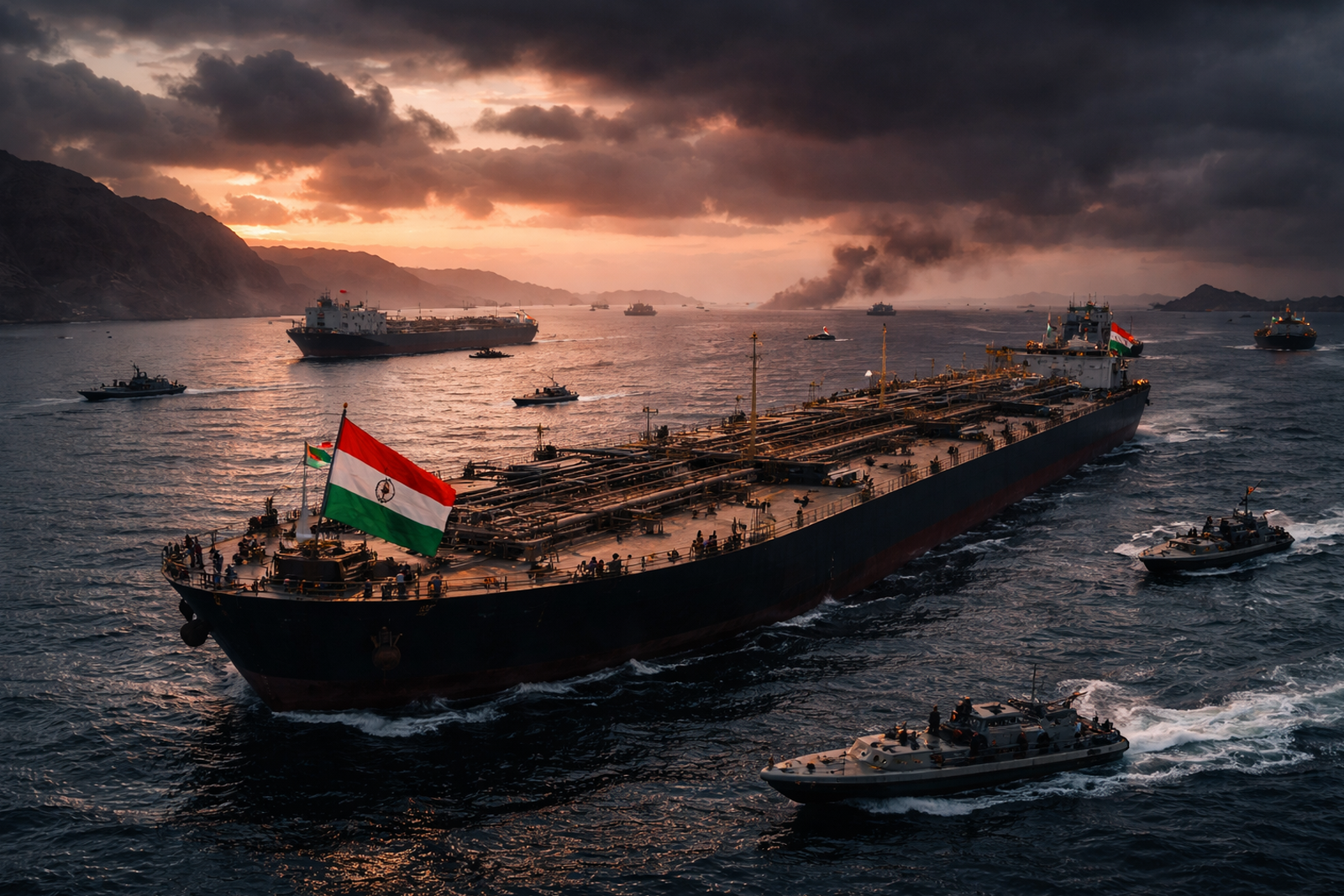
A wave of optimism swept through global financial markets after Iran moved to reopen the Strait of Hormuz, a critical artery for the world’s oil supply. The decision immediately eased fears of prolonged disruption, sending crude oil prices tumbling by more than 10% in a single session. This sharp decline reflects renewed confidence among traders that supply chains will stabilize, reducing the risk premium that had driven prices higher in recent days.
The Strait of Hormuz, which handles a significant portion of global oil shipments, has long been a geopolitical flashpoint. Any obstruction in this narrow passage typically sparks volatility across energy and equity markets. However, the latest development signals a temporary de-escalation in tensions, prompting investors to shift back toward riskier assets such as equities. As a result, major U.S. stock indices recorded strong gains, with energy-sensitive sectors and consumer-driven industries leading the rally.
Lower oil prices are particularly beneficial for economies grappling with inflationary pressures. A drop in crude costs can translate into reduced fuel prices, easing the burden on transportation, manufacturing, and households. This creates a ripple effect, improving corporate margins and boosting consumer spending power. Investors responded swiftly to these prospects, driving a broad-based surge in stock valuations.
Meanwhile, the energy sector experienced mixed reactions. While oil producers faced short-term pressure due to declining prices, companies reliant on fuel—such as airlines and logistics firms—benefited significantly. Analysts suggest that if stability in the region persists, markets could witness a more sustained period of growth, supported by lower input costs and improved investor sentiment.
Despite the positive momentum, experts remain cautious about the long-term outlook. The geopolitical landscape in the Middle East remains complex, and any renewed tensions could quickly reverse the current trend. Market participants are closely monitoring diplomatic developments and military movements to assess the durability of this recovery.
In conclusion, the reopening of the Strait of Hormuz has provided immediate relief to global markets, highlighting the strong connection between geopolitics and economic performance. While the current rally offers a welcome boost, uncertainty still lingers, reminding investors that stability in key regions remains essential for sustained market confidence.
The sudden reopening of the Strait of Hormuz by Iran has triggered a dramatic turnaround in global financial markets, reshaping investor sentiment within hours. What began as a period of heightened geopolitical anxiety quickly transformed into a wave of relief, sending oil prices into a steep decline and powering a strong rally in U.S. equities. This development underscores how closely interconnected geopolitics, energy markets, and global finance truly are.
The Strait of Hormuz is one of the most vital maritime routes in the world, acting as a gateway for nearly a fifth of global oil consumption. Any disruption in this narrow passage immediately creates panic in energy markets due to fears of supply shortages.
With Iran reopening the strait, concerns over supply constraints eased almost instantly, stabilizing global trade expectations.
One of the most immediate reactions to the reopening was the sharp fall in crude oil prices, which dropped by more than 10% in a single trading session.
This decline is significant because such large single-day movements are rare and typically tied to major geopolitical shifts or economic crises.
As oil prices dropped, U.S. stock markets surged, reflecting renewed investor confidence. Lower energy costs often act as a catalyst for economic growth, and markets reacted accordingly.
Investors interpreted the situation as a return to stability, prompting a shift away from safe-haven assets toward equities.
The market reaction was not uniform, with clear winners and losers emerging from the situation.
Winners:
Losers:
This divergence highlights how energy price movements can reshape sectoral performance almost instantly.
Falling oil prices are widely seen as a positive signal for inflation control. Energy costs play a major role in determining overall price levels across economies.
For central banks, this could mean less pressure to maintain aggressive interest rate hikes, potentially supporting broader economic growth.
The ripple effects extended beyond oil and equities into currency and international markets.
This shift indicates a broader return to risk appetite among global investors, driven by reduced geopolitical uncertainty.
Markets are not driven by numbers alone—they are deeply influenced by perception and sentiment. The reopening of the strait acted as a psychological turning point.
This event demonstrates how quickly sentiment can change and how powerful such shifts can be in shaping market direction.
Despite the current relief, the situation remains fragile. The Middle East continues to be a region marked by complex political and military dynamics.
Investors are therefore staying alert, knowing that the current stability may be temporary.
The energy market is entering a phase of recalibration following this sudden shift.
This could lead to longer-term structural changes in how energy markets operate globally.
The big question now is whether this positive momentum can be sustained. Much will depend on geopolitical developments and economic indicators in the coming weeks.
Market participants are balancing optimism with caution, recognizing that volatility may not be over.
The reopening of the Strait of Hormuz has delivered a powerful reminder of how sensitive global markets are to geopolitical events. The sharp drop in oil prices and the simultaneous surge in U.S. stocks illustrate the immediate impact of restored stability on investor confidence. While the current rally offers a sense of relief, underlying uncertainties remain, keeping markets on edge.
In a world where a single decision can reshape economic landscapes, this episode highlights the importance of vigilance, adaptability, and strategic thinking for investors and policymakers alike.

In today’s world of endless choices and digital noise, marketing is no longer just about promoting products — it’s about creating meaningful connections. Successful brands focus on building relationships rather than chasing transactions. Marketing that connects transforms audiences into loyal communities by earning their trust, understanding their needs, and delivering genuine value. When businesses prioritize people over promotions, marketing becomes more than strategy — it becomes a relationship built to last.
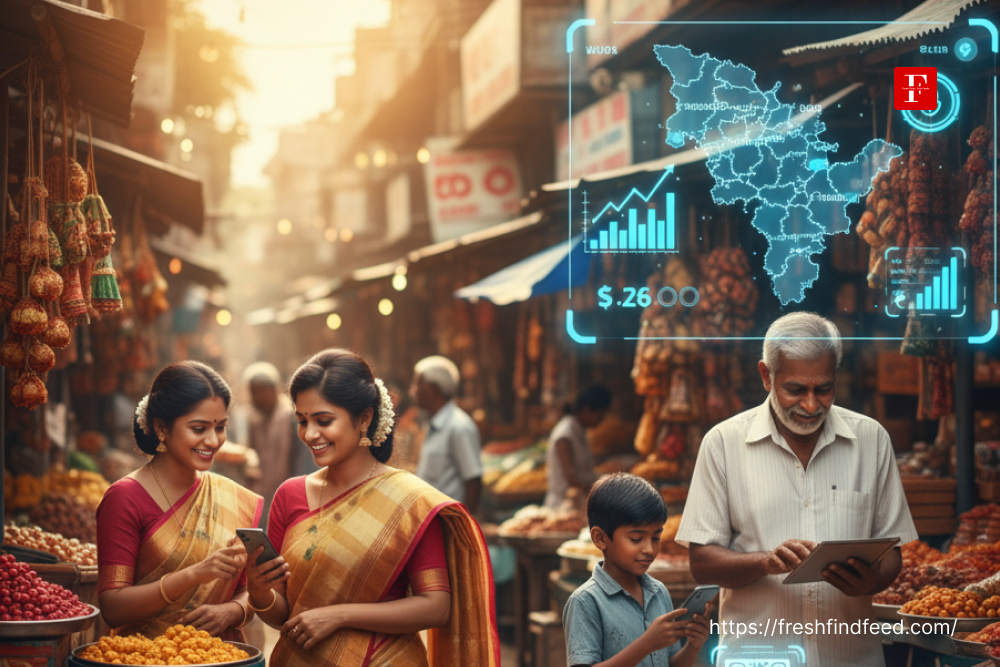
Odisha’s small businesses are entering a new era — where mobile apps, online payments, and e-commerce aren’t luxuries, but lifelines for growth and survival.

As India enters the second phase of its digital revolution, artificial intelligence and automation are not just transforming industries—they’re redefining what it means to work, earn, and adapt.

The conference brought together officials from ten central districts, including district collectors, tehsildars, registrars, and welfare officers, either virtually or in person.

We glorified sleepless nights, burnout, and exhaustion as signs of ambition. But when did working yourself to the edge become the definition of success?

Not everyone who thrives in tech writes code. Some design the very experiences that make technology human.





Leave Comments