- Loading...
- Loading...


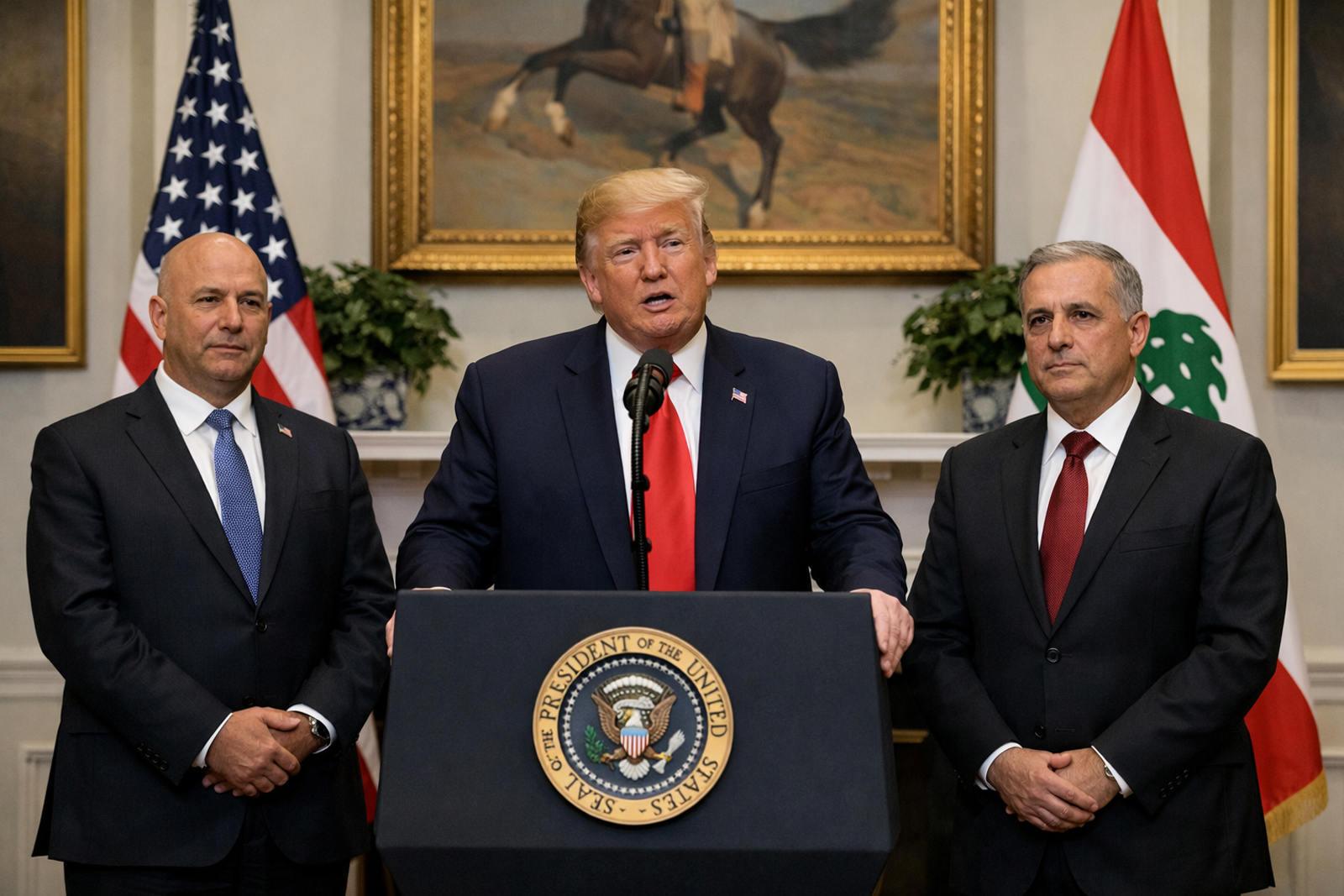
In a significant diplomatic development, Donald Trump announced that Israel and Lebanon have agreed to a temporary ceasefire, offering a momentary halt to rising hostilities along their shared border. The announcement comes amid heightened tensions that had raised fears of a broader regional escalation, drawing global attention and concern.
The ceasefire is being seen as a strategic pause rather than a permanent solution. For years, the relationship between Israel and Lebanon has been marked by intermittent clashes, largely influenced by complex political dynamics and the presence of armed groups operating in southern Lebanon. This temporary truce aims to de-escalate immediate threats and create space for diplomatic engagement.
According to initial reports, the ceasefire includes commitments from both sides to halt cross-border attacks and reduce military mobilization in sensitive zones. While the exact terms have not been fully disclosed, international observers believe that backchannel negotiations and external diplomatic pressure played a key role in securing this agreement. The involvement of global powers highlights the seriousness of the situation and the urgent need to prevent further conflict.
For civilians living near the border, the ceasefire brings a sense of relief. Communities that have faced the constant threat of airstrikes and missile fire may now experience a temporary return to normalcy. However, uncertainty remains high, as previous ceasefires in the region have often been short-lived due to underlying tensions and unresolved disputes.
Political analysts caution that sustaining peace will require more than just a temporary halt in violence. Long-term stability depends on addressing core issues, including territorial disputes, security concerns, and the influence of non-state actors. Without meaningful dialogue and concrete steps toward resolution, the ceasefire risks becoming another brief interruption in a prolonged cycle of conflict.
The international community has welcomed the announcement, urging both nations to honor their commitments and engage in constructive negotiations. As the world watches closely, this ceasefire could either pave the way for lasting peace or serve as a reminder of how fragile stability remains in one of the world’s most volatile regions.
The announcement of a temporary ceasefire between Israel and Lebanon, revealed by Donald Trump, has introduced a cautious sense of optimism in a region long defined by volatility. While the agreement is limited in scope and duration, it represents a critical moment that could either ease tensions or simply delay further confrontation.
The relationship between Israel and Lebanon has been shaped by decades of mistrust, conflict, and geopolitical complexity. Border disputes, military engagements, and the involvement of armed factions have repeatedly destabilized the region. Southern Lebanon, in particular, has remained a flashpoint, with periodic escalations that have drawn international concern.
This ceasefire emerges after a period of heightened military activity, where both sides exchanged warnings and limited strikes. The situation had reached a level where global leaders feared a wider regional conflict, potentially involving other Middle Eastern actors.
Although full details have not been made public, several important elements are believed to define the agreement:
These points highlight that the agreement is more about preventing immediate violence than resolving deeper issues.
The involvement of Donald Trump in announcing the ceasefire underscores the role of global diplomacy in the region. While it remains unclear which countries directly facilitated negotiations, major powers often act behind the scenes to prevent conflicts from spiraling out of control.
International organizations and diplomatic channels likely played a significant role in bringing both parties to the table. The ceasefire reflects a shared understanding that continued escalation would have severe humanitarian and political consequences.
For people living along the Israel-Lebanon border, the ceasefire offers immediate, though uncertain, relief. Civilians in these areas have faced:
The temporary truce may allow humanitarian aid to reach affected areas and give residents a chance to rebuild, even if only briefly. However, the uncertainty surrounding the duration of peace continues to weigh heavily on local populations.
Despite the positive tone of the announcement, several challenges threaten the longevity of the ceasefire:
Without addressing these structural issues, the ceasefire risks collapsing under pressure.
The ceasefire is not just a bilateral matter—it has broader implications for the Middle East and beyond. A stable border between Israel and Lebanon could:
On the other hand, a breakdown of the ceasefire could escalate tensions and draw in additional countries, further complicating the geopolitical landscape.
Observers will closely monitor:
Diplomatic engagement will need to intensify if the ceasefire is to evolve into something more sustainable.
The temporary ceasefire between Israel and Lebanon marks a critical pause in a deeply entrenched conflict. Announced by Donald Trump, the agreement provides a narrow window for diplomacy and de-escalation.
However, history suggests that such pauses are fragile. Turning this moment into lasting peace will require commitment, compromise, and sustained international support. For now, the ceasefire stands as both a hopeful sign and a reminder of how delicate stability remains in the region.

In today’s world of endless choices and digital noise, marketing is no longer just about promoting products — it’s about creating meaningful connections. Successful brands focus on building relationships rather than chasing transactions. Marketing that connects transforms audiences into loyal communities by earning their trust, understanding their needs, and delivering genuine value. When businesses prioritize people over promotions, marketing becomes more than strategy — it becomes a relationship built to last.

Odisha’s small businesses are entering a new era — where mobile apps, online payments, and e-commerce aren’t luxuries, but lifelines for growth and survival.

As India enters the second phase of its digital revolution, artificial intelligence and automation are not just transforming industries—they’re redefining what it means to work, earn, and adapt.

The conference brought together officials from ten central districts, including district collectors, tehsildars, registrars, and welfare officers, either virtually or in person.

We glorified sleepless nights, burnout, and exhaustion as signs of ambition. But when did working yourself to the edge become the definition of success?

Not everyone who thrives in tech writes code. Some design the very experiences that make technology human.







Leave Comments