- Loading...
- Loading...


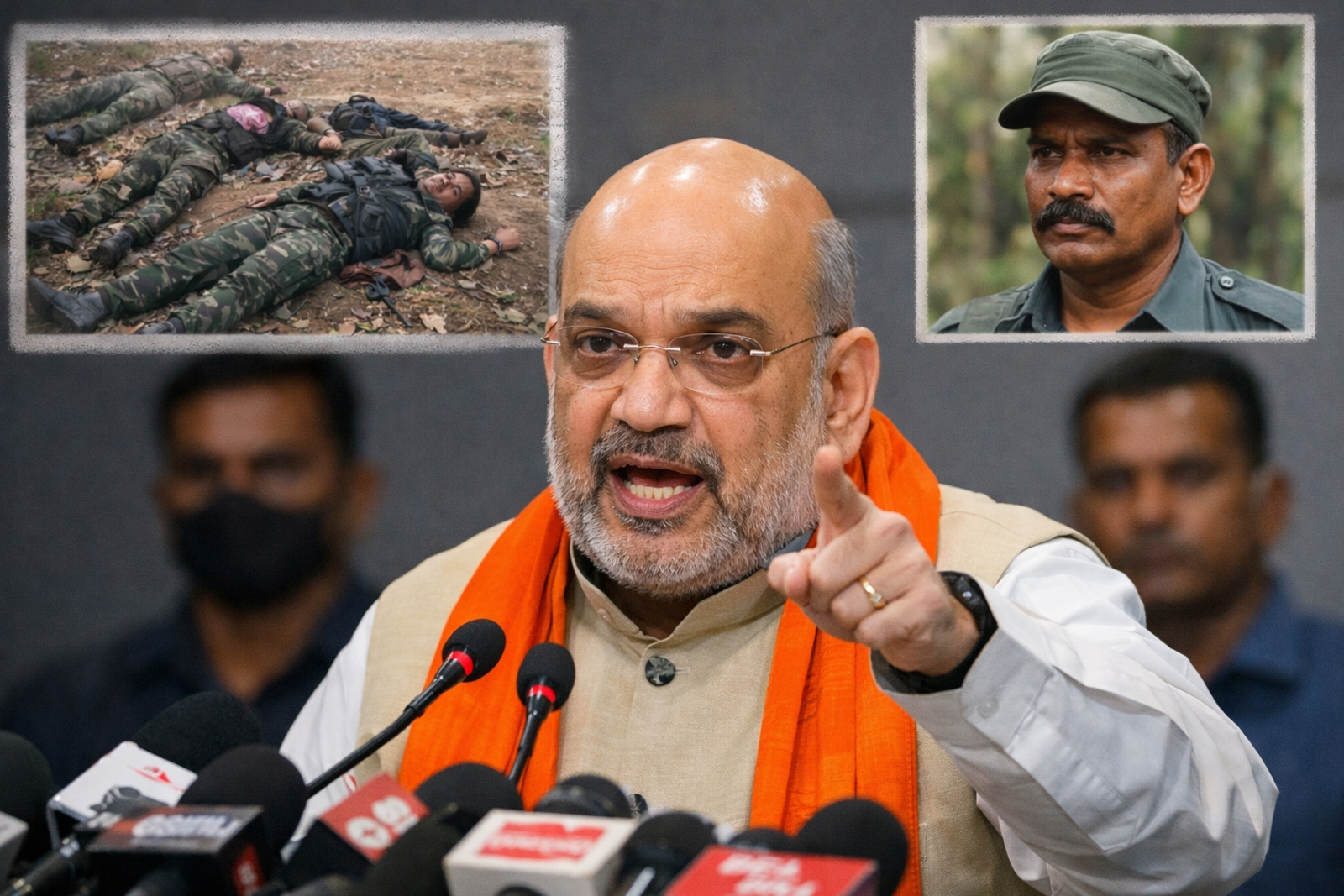
Union Home Minister Amit Shah informed the Lok Sabha that a decisive blow has been delivered to Maoist insurgency, with nearly the entire top leadership being neutralized through sustained security operations across affected regions. This development marks a significant milestone in the government’s long-standing campaign against Left-Wing Extremism.
According to the statement, coordinated efforts by security forces at both central and state levels have led to the dismantling of key operational networks of Maoists. The elimination of senior leaders is expected to disrupt command structures, weaken planning capabilities, and reduce the overall influence of insurgent groups in vulnerable areas.
Officials highlighted that continuous intelligence-based operations, improved coordination among agencies, and focused development initiatives in affected regions have contributed to this outcome. The strategy not only involves security measures but also emphasizes socio-economic development to address the root causes of extremism.
The government reiterated its commitment to ensuring peace, stability, and development in regions previously impacted by Maoist activities. With leadership structures weakened, authorities believe the operational strength of Maoists will further decline in the coming period.
However, experts note that while this is a major achievement, sustained vigilance and rehabilitation efforts remain crucial to prevent resurgence. Strengthening local governance, creating employment opportunities, and ensuring better infrastructure will play a key role in maintaining long-term peace.
This development is being viewed as a turning point in India’s fight against Left-Wing Extremism, signaling a shift towards greater security and progress in affected regions.
Union Home Minister Amit Shah informed the Lok Sabha that security forces have achieved a significant breakthrough in counter-insurgency operations, with the top leadership of Maoist groups reportedly being almost completely neutralized. This development marks a major shift in India’s long-standing efforts to combat Left-Wing Extremism and restore stability in affected regions.
The government’s statement highlights that only a minimal presence of senior leadership remains, while most of the core command structure has been dismantled through sustained, intelligence-driven operations. This is being viewed as a strong indicator of the weakening influence of Maoist groups across multiple states.
The reported dismantling of Maoist leadership represents more than just a tactical victory. It reflects a broader transformation in how internal security challenges are being addressed in India. By focusing on eliminating leadership while also targeting support networks, the government aims to weaken the insurgency at its core.
This approach ensures that the movement not only loses its visible leadership but also its ideological and operational strength. The absence of experienced commanders is expected to lead to fragmentation within the group, making it difficult to maintain cohesion and execute large-scale operations.
The success of these operations can be attributed to the enhanced coordination between various security agencies, including central paramilitary forces and state police units. Real-time intelligence sharing and advanced surveillance techniques have enabled precise strikes against Maoist hideouts and networks.
These measures have collectively contributed to weakening the insurgency’s operational capabilities.
The government has consistently emphasized that security measures alone are not sufficient to eliminate extremism. Development remains a critical component of the overall strategy.
These initiatives aim to address the socio-economic factors that often contribute to the spread of extremist ideologies. By improving living standards, the government hopes to reduce the appeal of insurgent groups among vulnerable populations.
Despite the significant progress, experts caution that the threat is not entirely eliminated. Residual elements may still attempt to regroup or recruit new members. Therefore, continued vigilance is essential to ensure that the gains achieved are not reversed.
Key challenges include:
Sustained efforts from both security agencies and administrative bodies will be necessary to consolidate the gains.
The government is expected to continue its dual-pronged approach of security enforcement and developmental outreach. Strengthening local governance, empowering communities, and creating economic opportunities will remain central to this strategy.
The reported near-elimination of Maoist top leadership marks a significant milestone in India’s internal security landscape. While challenges remain, this development signals a decisive shift toward weakening extremist networks and fostering peace and development in affected regions. With continued efforts, authorities aim to ensure that such insurgencies lose both their influence and relevance over time.

In today’s world of endless choices and digital noise, marketing is no longer just about promoting products — it’s about creating meaningful connections. Successful brands focus on building relationships rather than chasing transactions. Marketing that connects transforms audiences into loyal communities by earning their trust, understanding their needs, and delivering genuine value. When businesses prioritize people over promotions, marketing becomes more than strategy — it becomes a relationship built to last.

Odisha’s small businesses are entering a new era — where mobile apps, online payments, and e-commerce aren’t luxuries, but lifelines for growth and survival.

As India enters the second phase of its digital revolution, artificial intelligence and automation are not just transforming industries—they’re redefining what it means to work, earn, and adapt.

The conference brought together officials from ten central districts, including district collectors, tehsildars, registrars, and welfare officers, either virtually or in person.

We glorified sleepless nights, burnout, and exhaustion as signs of ambition. But when did working yourself to the edge become the definition of success?

Not everyone who thrives in tech writes code. Some design the very experiences that make technology human.








Leave Comments