- Loading...
- Loading...


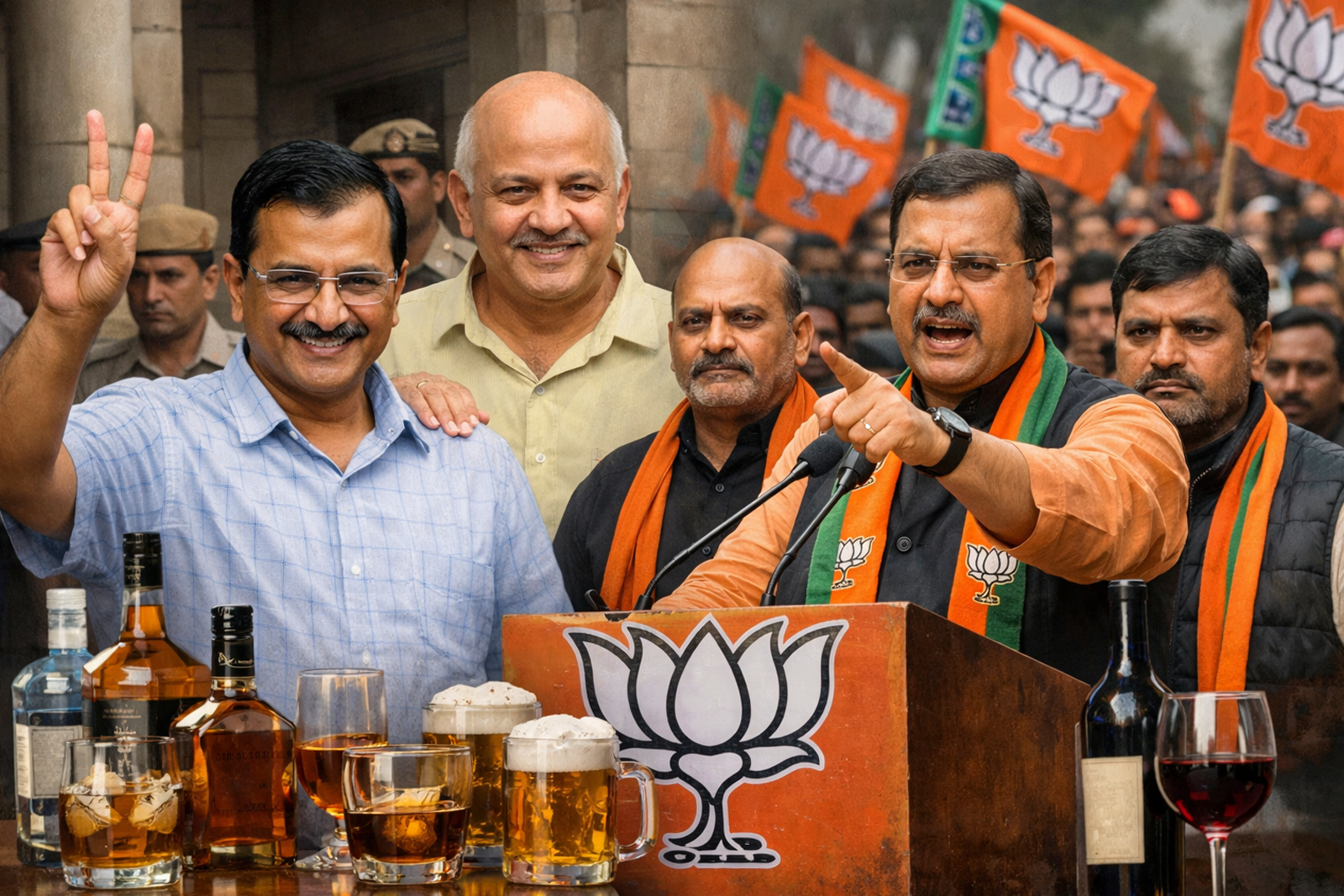
The recent court relief granted to Arvind Kejriwal and Manish Sisodia in connection with the excise policy case has added a new dimension to the ongoing political contest in Delhi. The legal development has not only influenced the administrative discourse but has also intensified the political exchange between the Aam Aadmi Party and the Bharatiya Janata Party.
The excise policy controversy, which has dominated headlines for months, revolves around allegations of irregularities in the formulation and implementation of a now-withdrawn liquor policy. While investigative proceedings brought significant political pressure, the recent relief from the court has allowed the AAP leadership to project the outcome as a validation of its claims that the case was politically motivated. Party representatives have emphasized governance achievements and public welfare initiatives, attempting to shift public attention back to administrative performance.
On the other hand, the BJP has continued to highlight the broader issues of transparency and accountability. Party leaders argue that legal relief does not conclude the political debate and maintain that the controversy raises important questions about policy decisions and regulatory processes. This contrasting narrative has kept the issue alive in public discourse, especially as political parties begin to sharpen their strategies ahead of future elections.
Political analysts note that such legal developments often influence public perception but rarely end political disputes. Instead, they reshape campaign messaging and communication strategies. The excise case has become more than a legal matter—it now represents a symbolic battleground for credibility, governance standards, and electoral positioning.
As the legal process continues, the political implications are expected to evolve further, ensuring that the excise policy issue remains a significant topic in Delhi’s political landscape.
The recent legal relief granted to Arvind Kejriwal and Manish Sisodia in the excise policy matter has reshaped the political atmosphere in Delhi, triggering fresh debate between the Aam Aadmi Party and the Bharatiya Janata Party. While the court’s decision provided temporary legal comfort to the AAP leadership, it has also intensified political messaging from both sides, turning the issue into a central narrative battle.
The excise policy controversy has remained one of the most discussed political developments in the capital, influencing governance debates, campaign strategies, and public perception.
The excise policy was originally introduced with the objective of reforming the liquor distribution system and increasing revenue transparency. However, the policy soon became the subject of allegations regarding procedural irregularities and possible financial benefits to certain stakeholders. Following the emergence of these allegations, investigative agencies including the Central Bureau of Investigation and the Enforcement Directorate began inquiries into the matter.
Key aspects of the controversy include:
Allegations related to policy formulation and licensing procedures
Questions over the role of intermediaries and private entities
Political accusations regarding administrative decision-making
The eventual withdrawal of the excise policy by the Delhi government
Although the legal process is ongoing, the issue quickly moved beyond governance and entered the arena of political strategy.
The recent court relief has been interpreted differently by the two major political parties involved. For the AAP leadership, the development has been presented as an important moment that strengthens their position and narrative.
AAP leaders highlighted several points following the legal development:
The relief demonstrates that the allegations require deeper legal scrutiny before conclusions are drawn.
The party maintains that the controversy has been politically amplified.
Focus is being redirected toward governance initiatives such as education, health, and public services.
Public messaging from the party has also emphasized administrative continuity and stability.
The BJP, however, has maintained that legal relief does not end the political debate surrounding the excise policy.
The party’s communication strategy focuses on:
The importance of transparency in public policy decisions
Continued questioning of procedural steps taken during policy implementation
Highlighting accountability as a key electoral issue
This difference in interpretation has kept the issue active in public discourse.
Political controversies often influence campaign planning, and the excise case has become a strategic reference point for both parties.
AAP’s political approach appears centered on governance-based messaging. The party is attempting to shift attention toward development achievements and administrative reforms.
Key communication themes include:
Expansion of public education reforms
Improvements in healthcare infrastructure
Subsidy-based welfare initiatives
Urban governance and civic service improvements
By focusing on governance outcomes, the party aims to balance legal challenges with performance-based credibility.
The BJP has focused on reinforcing its narrative around policy accountability and administrative transparency.
Major talking points include:
Ethical governance standards
Regulatory compliance in public policy
Oversight mechanisms in government decision-making
Institutional accountability
Political analysts note that this strategy helps the party maintain pressure while legal proceedings continue.
Public perception plays a crucial role in shaping electoral outcomes, especially in high-profile cases. The excise controversy demonstrates how legal developments and political narratives often move simultaneously.
Several factors are influencing voter perception:
Media coverage of legal proceedings
Political communication through rallies and public statements
Social media campaigns from both parties
Local governance experiences of citizens
Legal relief may shift short-term perception, but long-term impact often depends on consistent political messaging.
One of the most significant aspects of the excise controversy is the contrast between governance claims and allegations of irregularities.
This dual narrative includes:
Governance Perspective
Focus on public service delivery
Policy innovation claims
Administrative reforms
Accountability Perspective
Questions regarding policy processes
Demand for procedural transparency
Calls for institutional oversight
This contrast has turned the issue into a broader debate about governance models rather than a single policy dispute.
Although elections may still be some time away, political parties have already begun shaping their narratives based on current developments.
Possible electoral impacts include:
Increased focus on corruption and governance debates
Stronger campaign messaging around transparency
Localized political outreach strategies
Issue-based voter mobilization
Political observers believe the excise controversy may remain a recurring campaign topic due to its high visibility.
Despite the recent relief, the legal proceedings related to the excise policy are not yet concluded. Courts will continue to examine evidence, procedural details, and investigative findings.
Important legal aspects still under consideration include:
Policy formulation procedures
Financial transaction trails
Administrative approvals
Institutional compliance mechanisms
Until the legal process reaches a final conclusion, the political debate is expected to continue.
The excise policy case has evolved into more than a legal matter—it has become a defining political storyline in Delhi. The court relief to key political figures has influenced public discussion, but it has not ended the political contest between the AAP and the BJP.
As governance achievements, legal proceedings, and political strategies continue to intersect, the issue is likely to remain central to Delhi’s political environment. The coming months will determine whether the narrative shifts toward administrative performance or accountability debates, but for now, the excise controversy remains a significant factor shaping the capital’s political landscape.

In today’s world of endless choices and digital noise, marketing is no longer just about promoting products — it’s about creating meaningful connections. Successful brands focus on building relationships rather than chasing transactions. Marketing that connects transforms audiences into loyal communities by earning their trust, understanding their needs, and delivering genuine value. When businesses prioritize people over promotions, marketing becomes more than strategy — it becomes a relationship built to last.

Odisha’s small businesses are entering a new era — where mobile apps, online payments, and e-commerce aren’t luxuries, but lifelines for growth and survival.

As India enters the second phase of its digital revolution, artificial intelligence and automation are not just transforming industries—they’re redefining what it means to work, earn, and adapt.

The conference brought together officials from ten central districts, including district collectors, tehsildars, registrars, and welfare officers, either virtually or in person.

We glorified sleepless nights, burnout, and exhaustion as signs of ambition. But when did working yourself to the edge become the definition of success?

Not everyone who thrives in tech writes code. Some design the very experiences that make technology human.






Leave Comments