- Loading...
- Loading...


Our Obsession with Success
Everywhere we look, success is glorified. Social media feeds showcase highlight reels: the promotions, luxury vacations, entrepreneurial wins, and “dream come true” moments. Movies, biographies, and advertising bombard us with narratives of triumph.
But behind every success story lies a trail of failures—often erased, softened, or hidden from view. We crave the perfect ending but forget that the messy middle is where growth actually happens.
When we only consume stories of victory, we risk believing that achievement is linear, that winners never fail, and that stumbling is shameful. This myth makes failure feel like personal weakness instead of a universal truth.
Why Failure Resonates More Than Success
Failure has a unique power. Unlike success, which often feels distant or unattainable, failure feels human.
When someone shares how they messed up but still found a way forward, the story inspires not because of the destination, but because of the journey.
The Science of Failure and Growth
Psychology backs this up. Carol Dweck’s research on the growth mindset reveals that people who see failure as feedback, rather than defeat, achieve more in the long run.
Similarly, neuroscientists have found that failure activates brain regions tied to learning and memory more strongly than success does. In simple terms: we learn more from what goes wrong than from what goes right.
This is why schools, workplaces, and even startups are beginning to embrace concepts like “fail fast” or “failure Fridays.” The recognition is simple: mistakes are not obstacles to success, but stepping stones toward it.
Failure Stories That Changed the World
Some of the most inspiring figures in history are remembered not for their flawless path to greatness but for how they endured failure:
Each story reminds us: failure isn’t the opposite of success; it’s part of the process.
The Social Media Effect: Failure Is Rarely Shown
Ironically, in the digital age, failure stories are harder to find. Social media platforms encourage us to present curated versions of ourselves. People share wins but hide struggles, creating distorted perceptions of reality.
This is why failure stories stand out online—they cut through the noise of perfection. When someone openly shares their setbacks, it disrupts the endless scroll of polished success and creates genuine connection.
Some influencers and creators are now embracing “authentic storytelling,” where they highlight mistakes alongside wins. These posts often go viral—not because people enjoy failure, but because they crave truth.
Cultural Views of Failure
How societies view failure differs widely:
These differences highlight how cultural conditioning shapes whether we see failure as shame—or as a badge of courage.
Why Success Alone Can Be Dangerous
If we only focus on success stories, we risk missing the full picture:
Failure stories, by contrast, normalize struggle and create space for vulnerability.
Failure in Education: A Missing Lesson
Schools often punish mistakes instead of framing them as learning opportunities. This creates generations of students terrified of getting things wrong.
But progressive educational models are experimenting with the opposite: encouraging trial and error, resilience, and reflection. Some classrooms now hold “failure fairs,” where students present what they got wrong and what they learned.
By teaching that failure is not an end but a beginning, education can foster more resilient, creative thinkers.
Failure in Workplaces: Rethinking Professional Growth
Corporate cultures often value flawless results. Yet companies like Google encourage “moonshot projects” where risk (and likely failure) is expected. Amazon’s Jeff Bezos once said, “If you’re not failing, you’re not innovating enough.”
When organizations embrace failure, they create environments where employees feel safe to experiment, innovate, and grow. Conversely, workplaces that fear mistakes often stifle creativity.
The Emotional Side of Failure
Failure isn’t easy. It brings shame, disappointment, and even depression. But it also brings humility and empathy.
Hearing about others’ failures can:
Failure stories are inspiring precisely because they don’t erase the pain but show how growth emerges from it.
Reclaiming Failure: The Rise of “Fail Culture”
In recent years, a cultural shift has begun. Podcasts, books, and events dedicated to failure are gaining popularity. Examples include:
These movements remind us that failure is not shameful but deeply instructive.
The Future of Failure Stories
As automation, AI, and global uncertainty reshape careers, failure will only become more common. In such an environment, failure stories will matter even more: they will be guides, comfort, and roadmaps for resilience.
In the near future, we might even see failure integrated into mainstream education, leadership training, and corporate values—not as an afterthought, but as a core skill.
Conclusion: Redefining Inspiration
Success inspires us by showing what’s possible. But failure inspires us by showing what’s humanly possible. It breaks down the myth of perfection and replaces it with something more valuable: perseverance.
We may not all become billionaires, bestselling authors, or cultural icons. But we will all fail at something. And if failure stories can teach us to rise, adapt, and try again, they are far more powerful than polished tales of triumph.
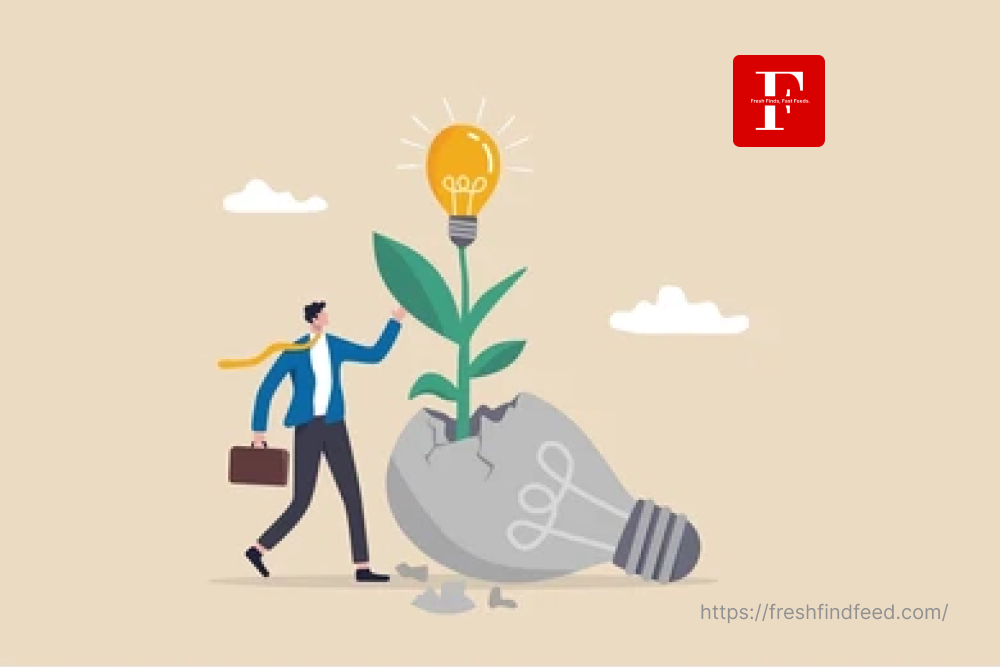
In the end, failure isn’t the opposite of success—it’s the soil from which it grows.

In today’s world of endless choices and digital noise, marketing is no longer just about promoting products — it’s about creating meaningful connections. Successful brands focus on building relationships rather than chasing transactions. Marketing that connects transforms audiences into loyal communities by earning their trust, understanding their needs, and delivering genuine value. When businesses prioritize people over promotions, marketing becomes more than strategy — it becomes a relationship built to last.

Odisha’s small businesses are entering a new era — where mobile apps, online payments, and e-commerce aren’t luxuries, but lifelines for growth and survival.

As India enters the second phase of its digital revolution, artificial intelligence and automation are not just transforming industries—they’re redefining what it means to work, earn, and adapt.

The conference brought together officials from ten central districts, including district collectors, tehsildars, registrars, and welfare officers, either virtually or in person.

We glorified sleepless nights, burnout, and exhaustion as signs of ambition. But when did working yourself to the edge become the definition of success?

Not everyone who thrives in tech writes code. Some design the very experiences that make technology human.









Leave Comments