- Loading...
- Loading...



E-commerce in India has exploded over the past decade, with Flipkart, Amazon, and now Reliance and Tata-backed platforms dominating the landscape. Mega-sales like Big Billion Days (Flipkart) and Great Indian Festival (Amazon) have become cultural phenomena, turning online shopping into an event akin to Diwali itself.
Scale: Hundreds of millions of products, across categories from electronics to fashion.
Timeframe: Typically 3–7 days, creating urgency.
Marketing: Massive advertising campaigns across TV, social media, and influencers.
The goal isn’t just sales volume; it’s shaping consumer behavior, loyalty, and perception of value.
Mega-sales manipulate multiple cognitive triggers:
Scarcity & Urgency: Limited-time deals push buyers to make faster decisions.
Anchoring & Discount Framing: Original prices are shown alongside discounted prices, creating perceived savings.
Social Proof & Herd Behavior: ‘Best seller’ labels and real-time purchase notifications encourage impulsive buying.
Gamification: Spin-the-wheel offers, coins, and reward points make shopping interactive.
Consumers often report higher satisfaction post-purchase, even if the actual financial saving is marginal — a classic example of behavioral economics in action.
Shift in Category Popularity: Electronics, smartphones, and fashion see dramatic spikes. Sellers adjust inventory months in advance.
Emergence of Private Labels: Platforms use mega-sales to promote in-house brands like Flipkart’s SmartBuy or AmazonBasics.
Price Benchmarking: Mega-sale discounts often reset consumer expectations for product prices, influencing offline and online pricing year-round.
Retailers not participating may lose mindshare, highlighting the growing importance of digital marketplaces in shaping Indian consumer trends.
Dynamic Pricing: Algorithms adjust prices based on real-time demand, stock levels, and competitor actions.
Loss Leaders: Popular items are sold at minimal profit or even loss to attract traffic.
Bundling & Cross-Selling: Complementary products are suggested, increasing average order value.
Flash Sales: Encourage rapid purchasing decisions and create artificial scarcity.
Businesses face a trade-off: while sales volumes soar, profit margins can shrink, and smaller sellers risk being marginalized.
Mega-sales can backfire if not handled carefully:
Price Transparency: Consumers increasingly compare historical prices; exaggerated discounts reduce trust.
Delivery & Service Issues: Delays, cancellations, and out-of-stock items affect customer loyalty.
Return & Refund Policies: Clear and fair policies reinforce trust; opaque policies erode it.
Flipkart and Amazon invest heavily in customer support and app reliability, knowing trust drives repeat purchases beyond the sale period.
Tier 1 Cities: Higher spending on electronics and lifestyle products.
Tier 2/3 Cities: Growth driven by smartphones, FMCG, and affordable fashion.
Younger Consumers: Millennials and Gen Z dominate purchase volume; influenced heavily by social media and influencer marketing.
These patterns shape inventory planning, marketing campaigns, and even platform features like vernacular language support.
Consumer Protection: Regulators monitor misleading discounts, false claims, and flash sale transparency.
Market Concentration: Mega-sales reinforce dominance of platforms like Flipkart and Amazon, making it challenging for smaller e-commerce players to compete.
Data Insights: Platforms gain enormous behavioral data, allowing hyper-targeted marketing, personalized recommendations, and predictive stocking.
Government and trade bodies are increasingly aware that mega-sales influence national retail patterns, pricing strategies, and small business viability.
Shorter, More Frequent Flash Sales: To maintain urgency and engagement.
Integration with FinTech: Buy-now-pay-later schemes, EMI options, and wallet credits become more central.
Sustainability Considerations: Packaging, returns, and logistics efficiency may become a competitive differentiator.
Augmented Reality & AI Shopping Assistants: Enhancing the digital shopping experience, particularly in fashion and electronics.
Mega-sales are no longer just a discount event—they’re an ecosystem shaping the future of Indian e-commerce.
Mega-sales influence consumer psychology, driving urgency, social proof, and perceived value.
Market trends, pricing, and product launches are increasingly synchronized with these events.
Trust is critical: delivery reliability, transparent pricing, and return policies determine long-term consumer loyalty.
Tier 2/3 cities and younger demographics are driving rapid expansion, shaping inventory and marketing strategies.
Future e-commerce strategies will rely on AI, sustainability, and FinTech integration alongside mega-sales to retain relevance.

In today’s world of endless choices and digital noise, marketing is no longer just about promoting products — it’s about creating meaningful connections. Successful brands focus on building relationships rather than chasing transactions. Marketing that connects transforms audiences into loyal communities by earning their trust, understanding their needs, and delivering genuine value. When businesses prioritize people over promotions, marketing becomes more than strategy — it becomes a relationship built to last.
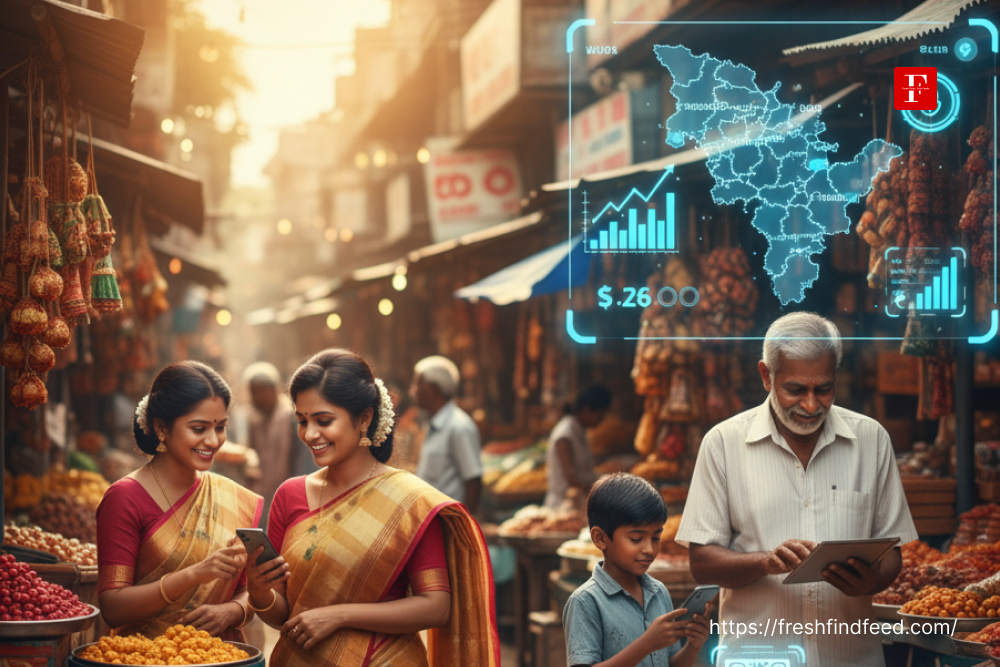
Odisha’s small businesses are entering a new era — where mobile apps, online payments, and e-commerce aren’t luxuries, but lifelines for growth and survival.

As India enters the second phase of its digital revolution, artificial intelligence and automation are not just transforming industries—they’re redefining what it means to work, earn, and adapt.

The conference brought together officials from ten central districts, including district collectors, tehsildars, registrars, and welfare officers, either virtually or in person.

We glorified sleepless nights, burnout, and exhaustion as signs of ambition. But when did working yourself to the edge become the definition of success?

Not everyone who thrives in tech writes code. Some design the very experiences that make technology human.









Leave Comments