- Loading...
- Loading...


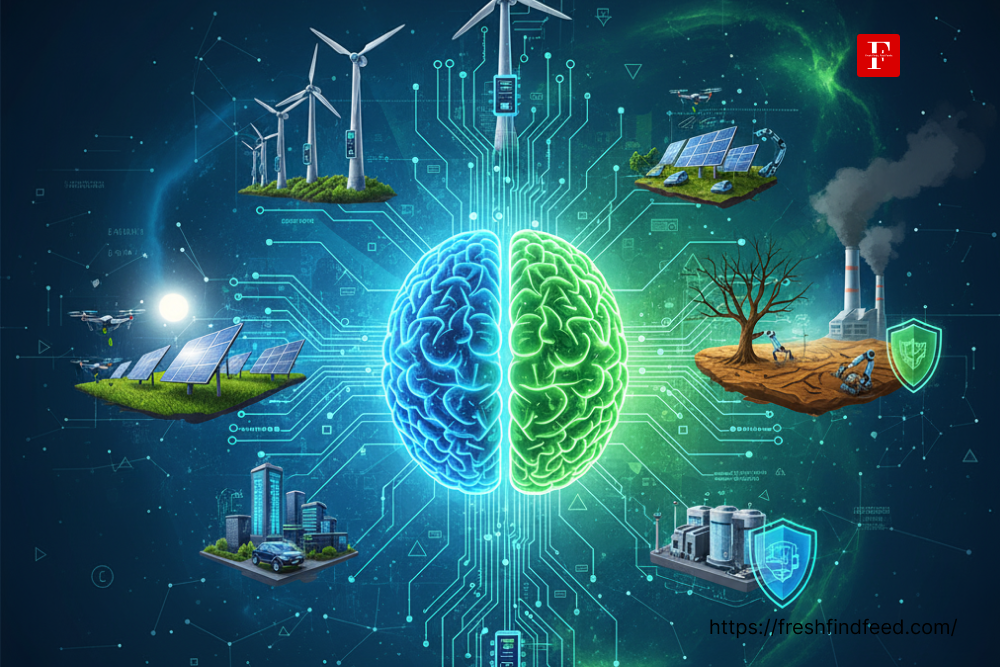
The planet is screaming for help. Rising temperatures, deforestation, and plastic-choked oceans make it clear: Earth is in trouble. Enter technology—the knight in shining circuits and algorithms. But can our gadgets, AI, and innovations truly save the planet, or are we just plugging leaks while the ship sinks? Let’s explore how technology is stepping up in the fight for a greener, healthier Earth.
Technology is transforming how we generate and use energy.
Solar and Wind Innovations: Modern solar panels, floating wind farms, and efficient turbines are producing more energy at lower costs than ever before.
Energy Storage: Advanced batteries and grid technologies store excess energy, ensuring renewables are reliable even when the sun isn’t shining or the wind isn’t blowing.
Fact: The cost of solar energy has dropped by over 80% in the last decade, making it a viable alternative to fossil fuels globally.
By replacing coal and oil with clean energy, technology is tackling one of the biggest contributors to climate change.
Agriculture is both a victim and contributor to climate change. But tech-driven solutions are making farming smarter and greener:
Precision Farming: Sensors and AI analyze soil and water needs, reducing fertilizer and water waste.
Vertical & Urban Farming: Growing crops indoors in stacked layers minimizes land use and cuts transportation emissions.
Biotech Innovations: Drought-resistant and nutrient-rich crops are helping farmers adapt to changing climates.
Example: In the Netherlands, vertical farms produce 10x more food per square meter than traditional fields, showing that tech can feed more people with less environmental cost.
Technology is helping track, reduce, and even reverse pollution:
AI & Drones: Monitor air quality, water pollution, and deforestation in real-time.
Ocean Cleanup Robots: Autonomous systems collect plastics from oceans and rivers.
Waste-to-Energy Solutions: Smart incineration and recycling tech convert waste into energy or reusable materials.
The planet can’t heal if we don’t first know where it hurts—and technology is becoming the Earth’s diagnostic tool.
Predicting natural disasters and climate shifts is essential to prevent damage:
Climate Models: Supercomputers simulate global climate patterns, helping policymakers make informed decisions.
Early Warning Systems: AI predicts floods, hurricanes, and heatwaves, giving communities time to prepare.
Example: Japan’s earthquake warning system uses sensors and AI to save thousands of lives every year—a small but powerful proof of tech’s potential.
Transportation is a major emitter of greenhouse gases, but tech is shifting gears:
Electric Vehicles (EVs): Batteries and charging infrastructure are improving rapidly.
Public Transit Innovations: Smart buses, trains, and ride-sharing reduce congestion and pollution.
Hyperloop & Maglev Trains: High-speed, low-emission travel could transform long-distance transport.
Technology is not just making travel faster—it’s making it cleaner.
While technology has incredible potential, it isn’t a magic bullet:
Energy & Resource Costs: Manufacturing tech like EVs and solar panels requires raw materials and energy.
E-Waste: Rapid tech turnover creates mountains of electronic waste.
Inequality in Access: Not all countries or communities can afford cutting-edge green technology.
In short, technology can help—but it must be paired with responsible policies, lifestyle changes, and global cooperation.
Smart Energy Use: Solar panels, energy-efficient appliances, and smart meters reduce carbon footprints.
Sustainable Mobility: Electric bikes, carpooling apps, and public transit reduce emissions.
Eco-Friendly Choices: Apps help track carbon footprints, reduce food waste, and promote sustainable shopping.
Support Green Innovations: Back companies and startups creating sustainable solutions.
Even small tech-enabled choices can collectively make a huge difference.
Can technology save the Earth? Not on its own. But combined with awareness, action, and policy, it can be a powerful ally. From renewable energy to pollution cleanup, climate modeling to sustainable transportation, the innovations of today give hope that the future doesn’t have to be grim. The Earth is fighting for survival—and technology might just be its secret weapon.

In today’s world of endless choices and digital noise, marketing is no longer just about promoting products — it’s about creating meaningful connections. Successful brands focus on building relationships rather than chasing transactions. Marketing that connects transforms audiences into loyal communities by earning their trust, understanding their needs, and delivering genuine value. When businesses prioritize people over promotions, marketing becomes more than strategy — it becomes a relationship built to last.

Odisha’s small businesses are entering a new era — where mobile apps, online payments, and e-commerce aren’t luxuries, but lifelines for growth and survival.

As India enters the second phase of its digital revolution, artificial intelligence and automation are not just transforming industries—they’re redefining what it means to work, earn, and adapt.

The conference brought together officials from ten central districts, including district collectors, tehsildars, registrars, and welfare officers, either virtually or in person.

We glorified sleepless nights, burnout, and exhaustion as signs of ambition. But when did working yourself to the edge become the definition of success?

Not everyone who thrives in tech writes code. Some design the very experiences that make technology human.








Leave Comments